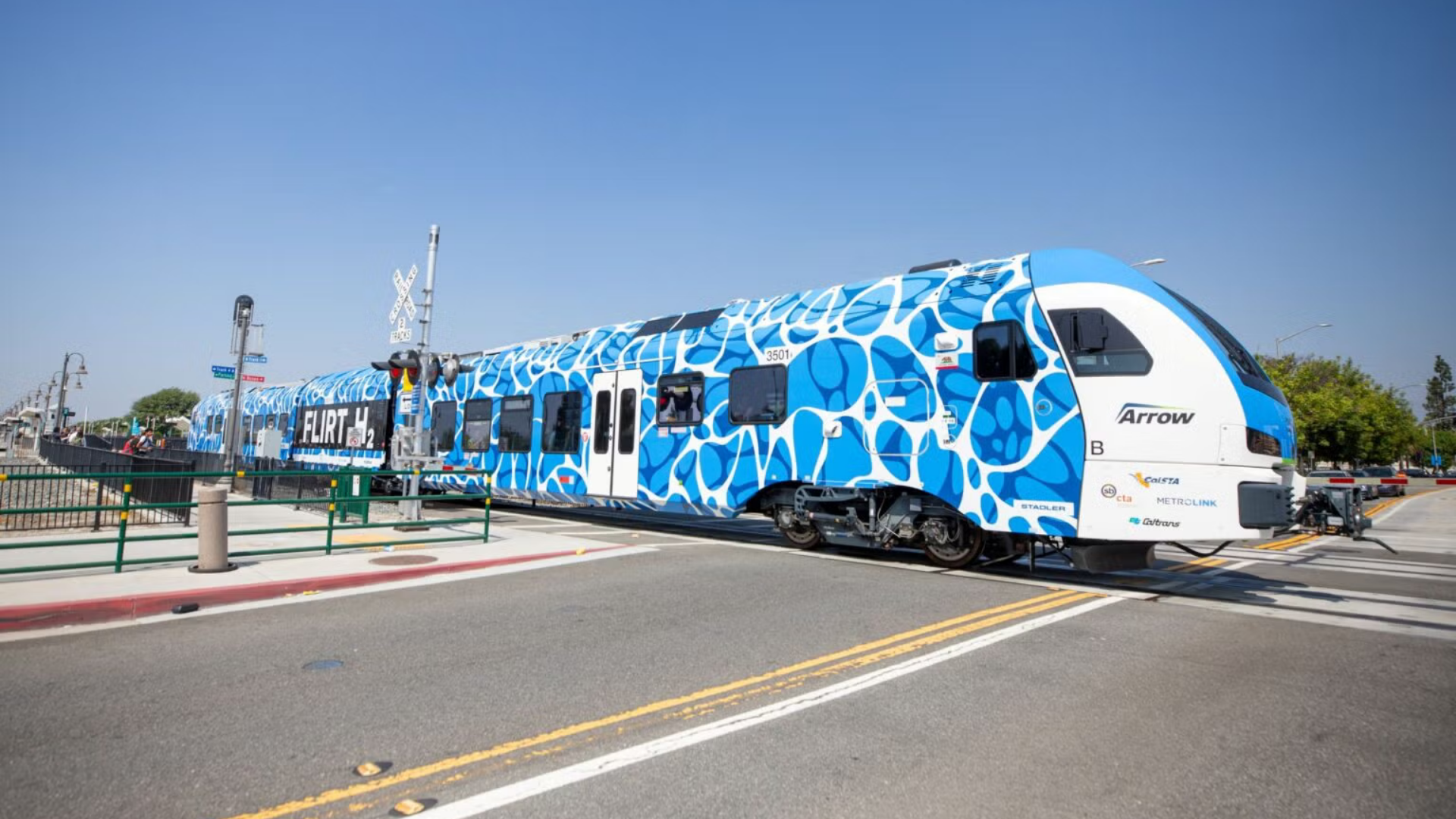
The San Bernardino County Transportation Authority’s (SBCTA) Zero-Emission Multiple Unit train (ZEMU) - built by Stadler and powered by Ballard - has been named a winner of the American Public Transportation Association’s 2026 Innovation Awards, putting hydrogen transport in the spotlight in the U.S. for its role in delivering cleaner passenger rail.
As one of 12 organizations honored at the APTA TRANSform & EXPO in Chicago, IL on October 7, SBCTA was recognized for its vision, leadership, and commitment to advancing public transportation in North America.
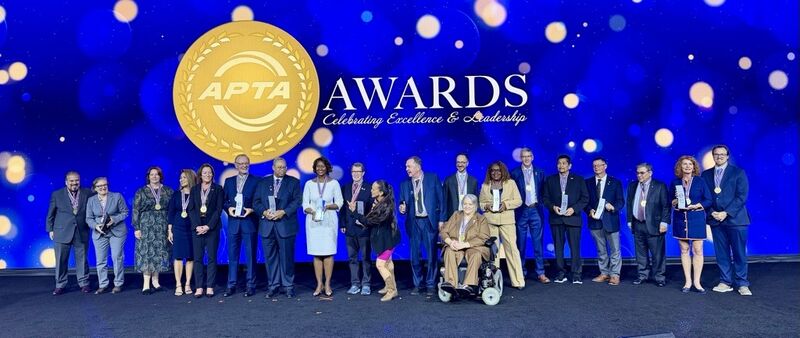 SBCTA were honored alongside transit agencies from Jacksonville and Honolulu
Demonstrating the capabilities of zero-emission rail travel, the award recognizes a project that has progressed from engineering development and regulatory testing into regular passenger service. First deployed in September 2025 on Metrolink’s nine-mile Arrow corridor, ZEMU connects San Bernardino Downtown with Redlands–University in Southern California, serving five stations and bringing hydrogen-powered mobility to an established public transport route.
ZEMU’s deployment with SBCTA offers a practical example for agencies exploring alternatives to diesel propulsion while continuing to use existing rail infrastructure. Extensive testing followed the train’s arrival in San Bernardino in June 2024, meeting all Federal Railroad Administration requirements. The same year the train set a Guinness World Record at Colorado’s Transportation Technology Center by covering 1,742 miles on a single hydrogen fill.
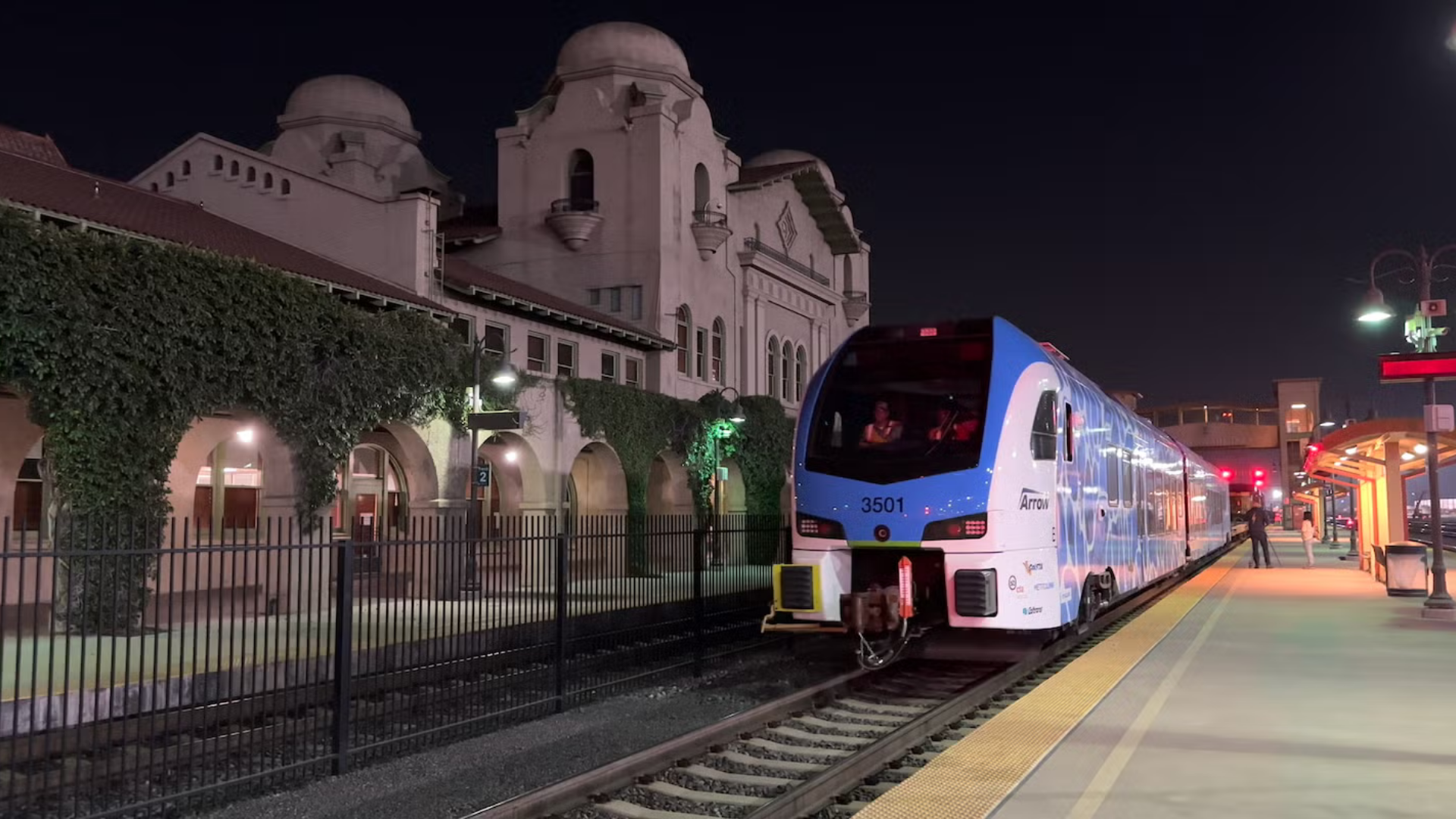 The ZEMU fuel cell-powered train has now been in regular operation for over a year in San Bernardino
Ballard's FCmove®-HD+ 100kW fuel cell engine, which powers the train, is the result of a comprehensive engineering collaboration. A seamless integration of six FCmove®-HD+ fuel cells into the ZEMU platform showcases the expertise and synergy of the partners, as well as the benefits of hydrogen technology in supporting zero-emission mobility.
This collaboration has also paved the way for future innovations in zero-emission transportation, supporting California's broader goals of reducing carbon emissions and improving air quality. ZEMU also provides a practical and sustainable solution for non-electrified routes, offering flexibility for regions where electrification infrastructure is not yet feasible.