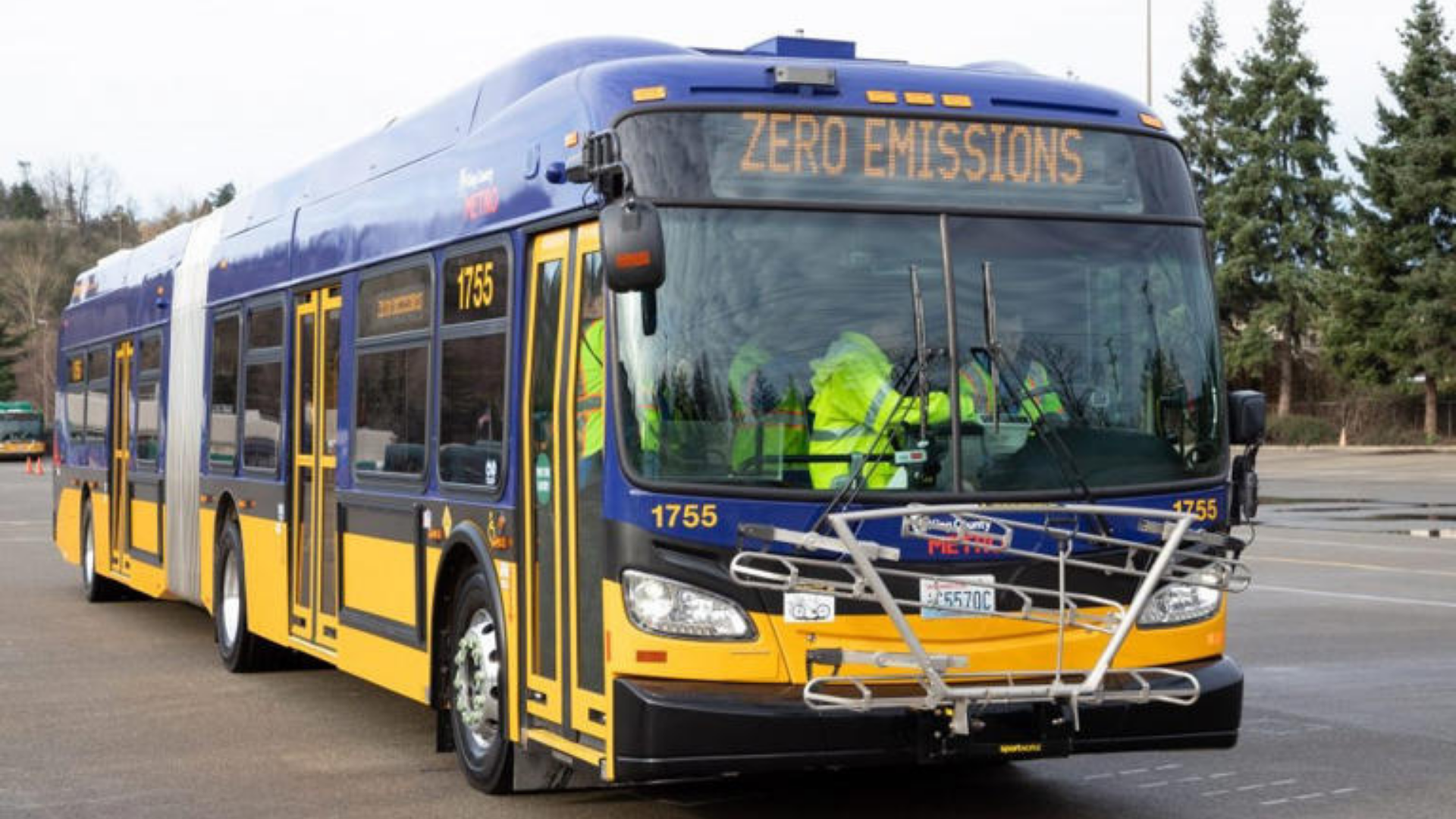
Winnipeg Transit has introduced its first eight hydrogen fuel cell buses as part of a wider fleet transition to zero-emission. This initial deployment consists of 40ft and 60ft New Flyer Xcelsior CHARGE FC™ buses powered by Ballard Power Systems' fuel cell technology - and is designed to deliver extended range and reliable performance in Manitoba's demanding winter conditions.
The transit agency is the first in Canada to deploy 60ft articulated zero-emission buses in service. The initial eight hydrogen-powered units are now in daily operation on routes across Winnipeg - as part of a total 16-bus fleet that also includes battery-electric vehicles - delivering cleaner, decarbonized transport to the city's transit network.
The zero-emission buses completed out-of-service and in-service testing through spring and summer 2025 to assess battery health, energy use, operating costs, and technology performance for Winnipeg’s climate before entering regular service.
To support consistent and ongoing refueling of its hydrogen fleet, Winnipeg Transit is in the process of completing construction of a hydrogen refueling station (HRS) at its Fort Rouge transit garage, which is expected to be fully operational during the early stages of 2026.
With this advanced infrastructure in place, an order of 24 additional zero-emission buses (comprising battery-electric and hydrogen variants) will then be received and rolled out as part of the ongoing Transition to Zero-Emission Bus Program backed by the federal Investing in Canada Infrastructure Program.
The value of fuel cell adoption
The Xcelsior CHARGE FC™ buses are powered by Ballard’s FCmove®-HD+ 100 kW fuel cell engine,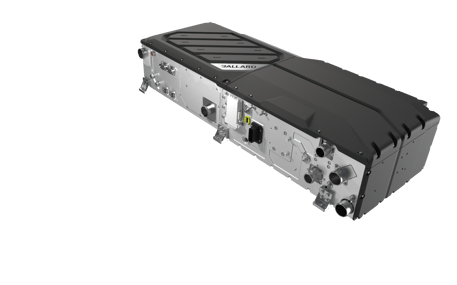 which delivers proven performance, durability, and reliability. Its compact, easy-to-integrate design provides an efficient solution for public transit operations, while robust proton-exchange membrane (PEM) technology delivers the power, range, and efficiency required for Winnipeg Transit’s service routes. The fuel cell’s proven stack lifetime further ensures dependable operation throughout the vehicle’s service life.
Winnipeg Transit has also previously found that heating its large articulated cabins in winter can drastically shorten the runtime of battery-only buses, potentially requiring mid-day recharging.
As a proactive solution, Ballard's fuel cell modules provide waste heat recovery to warm the large cabin area and keep the batteries at optimal temperatures, ensuring that passenger comfort doesn't come at the cost of the route.
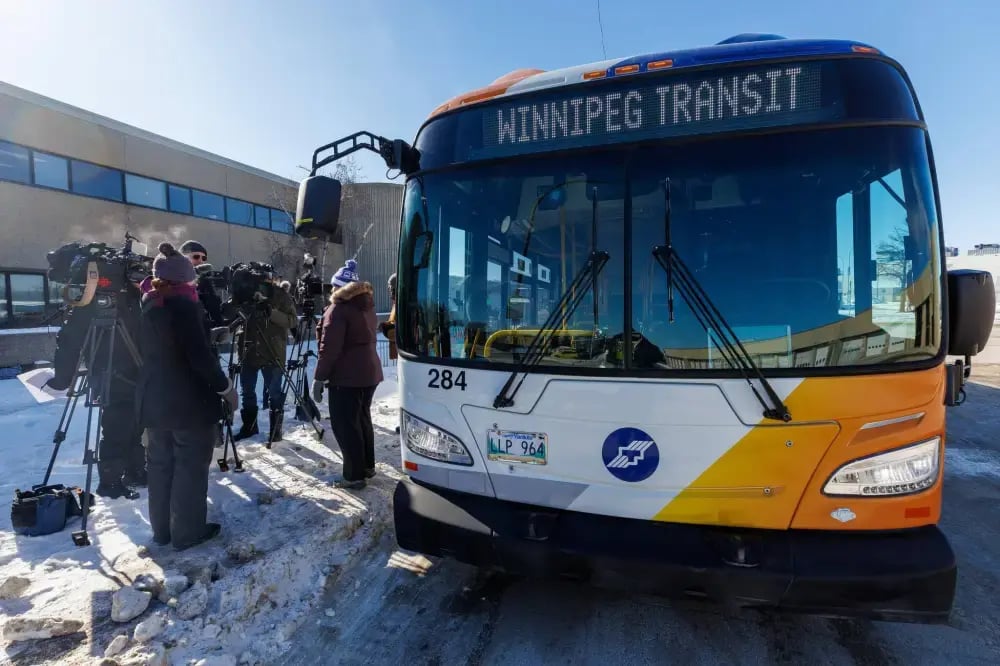 Winnipeg's fuel cell bus was unveiled to local media in February 2025
To keep costs low while the hydrogen economy scales, Winnipeg is using an innovative methanol-to-hydrogen generation system (from Azolla Hydrogen), providing a cost-effective, cold-weather-proven fuel source for the initial 16-bus trial.
With phased service entry underway and dedicated hydrogen infrastructure soon to be online, Winnipeg is positioning itself as a leading example of practical, cold-weather decarbonized transit.