Ballard has powered into 2026 with the same energy and momentum to drive decarbonization through the adoption and implementation of innovative, zero-emission solutions like its fuel cell technology for medium-duty mobility, which continues to increase uptake with transit operators and to be integrated in public transport buses all over the world.
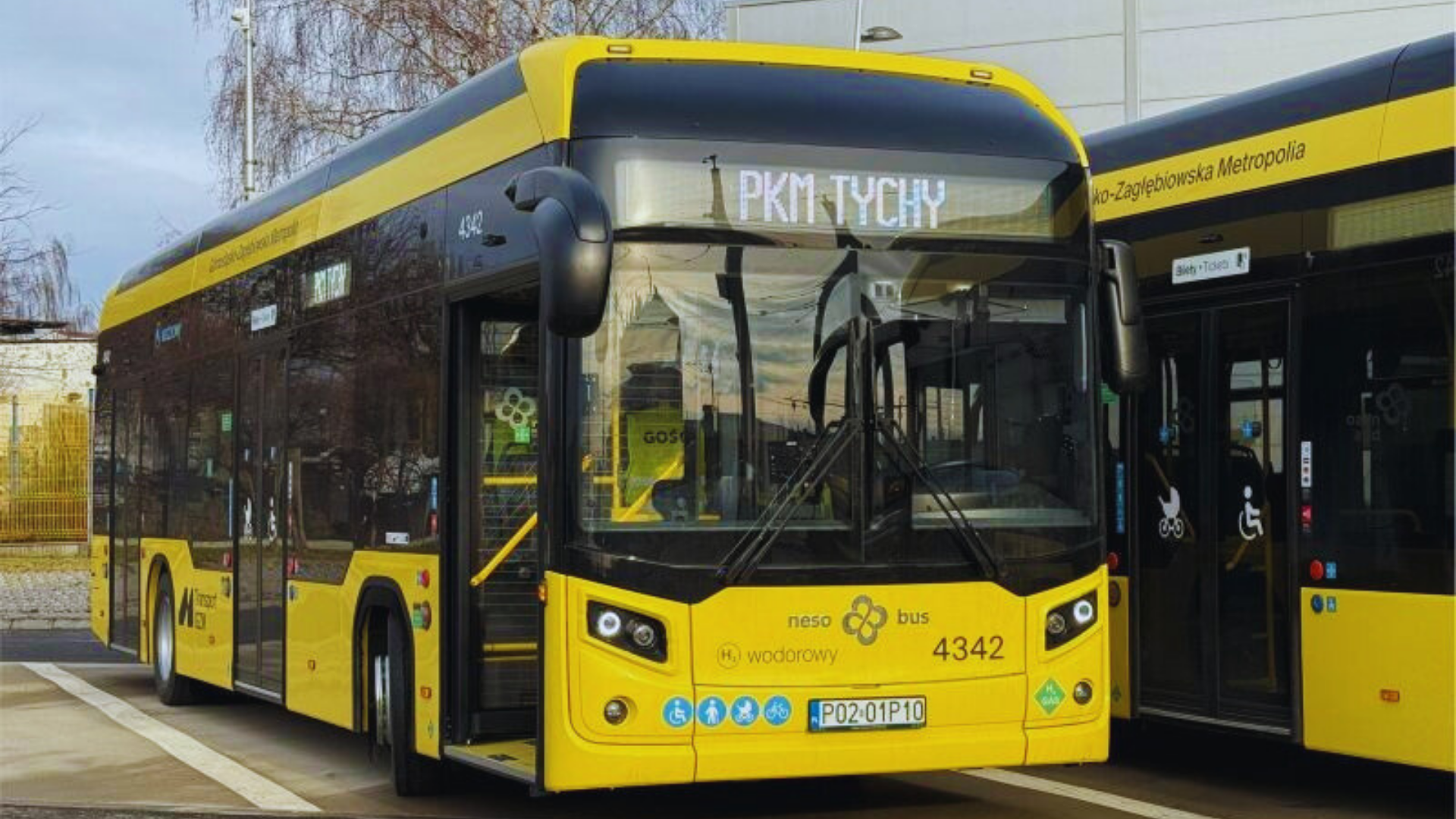
The latest hydrogen bus development to utilize Ballard fuel cells has seen European manufacturer NesoBus receive eight new fuel cell buses (FCEBs) for operational trials - before entering passenger service in two locations in Poland during the first half of the year.
Integrating Ballard's durable and dependable FCmove®-HD 70kW fuel cell engine, five 12-meter buses in Tychy and three in Katowice will undergo a full series of technical and operational tests - as well as comprehensive training provided for drivers and maintenance personnel - before the buses are rolled out into daily service.
The eight buses are expected to operate within the Górnośląsko-Zagłębiowska Metropolia (GZM) network - covering six routes in Tychy and neighboring towns such as Mikołów and Łaziska; as well as urban corridors within Katowice and the wider metropolitan area.
The NesoBus FCEB delivers 450km of operational range on a single fill, takes 15 minutes to refuel, and carries nearly 100 passengers. It is supported in its duty cycle service on Polish domestic routes by three operational hydrogen refueling stations (HRS) located in Gdansk, Warsaw, and Rybnik under the Neso brand.
Ballard's offering 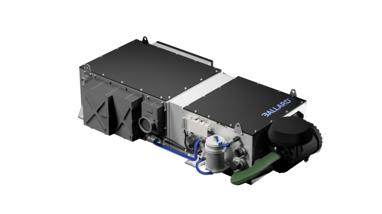 is an advanced fuel cell module for medium- to heavy-duty decarbonized vehicles, which is compact, durable, and easy to install in an engine bay configuration. Benefiting from robust proton-exchange membrane (PEM) technology, the fuel cell engine delivers heightened power, range, and efficiency, with improved reliability and system integration flexibility to ensure exceptional performance.
The zero-emission buses are part of the “Hydrogen GZM” project, a public transport initiative focused on decarbonizing mobility and supported by the National Fund for Environmental Protection and Water Management (NFOŚiGW) under Poland’s “Green Public Transport” programme.
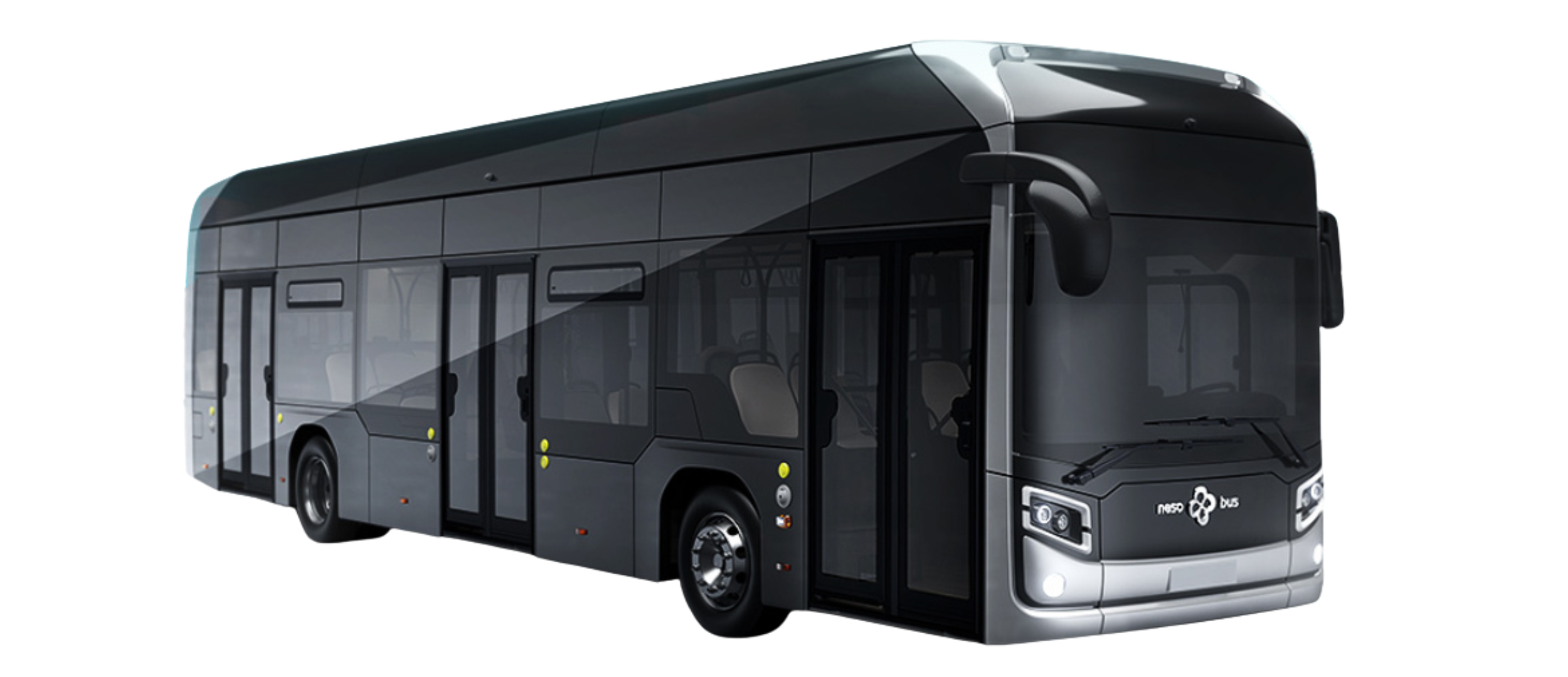 NesoBus' FCEB was originally unveiled at IAA TRANSPORTATION 2022 in Hannover, Germany, and is now in service across Poland; with more than 50 units in operation in locations including Rybnik, Gdansk, and Konin, with a further deployment planned Krakow - as well as the roll-outs in Tychy and Katowice.
The zero-emission bus is developed by PAK-PCE – a joint venture between the Polsat Plus Group and ZE PAK. Series production is now underway and the collaboration's ambition is to manufacture more than 100 FCEBs per year at its dedicated manufacturing facility in Swidnik, Poland.