#PoweredByBallard
Victor Valley unveils new fuel cell bus fleet and hydrogen infrastructure
California’s rebranded VVTA debuts Ballard-powered fuel cell buses and supporting infrastructure


Santa Clarita becomes latest transit operator in California to adopt hydrogen mobility - deploying seven Ballard-powered fuel cell buses


 [Image courtesy of Connexionz]
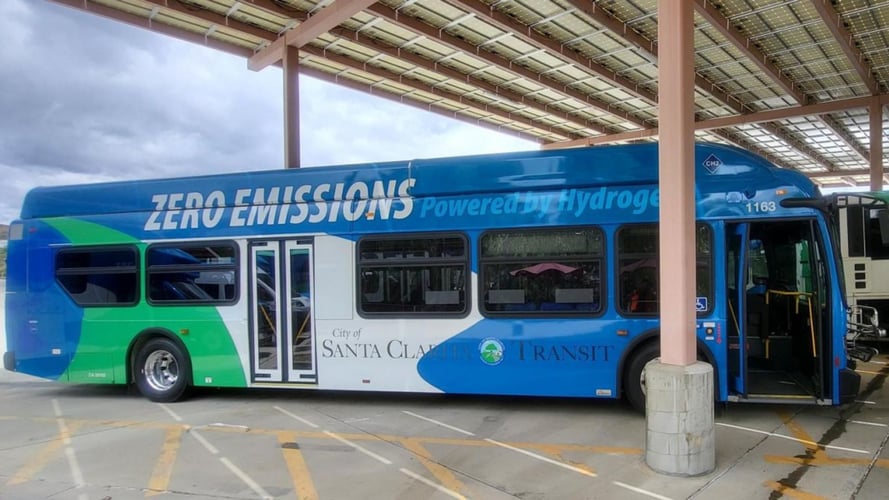
Californian transit operator, City of Santa Clarita, is taking a major step towards cleaner transit operations with the recent delivery and deployment of seven new hydrogen fuel cell buses powered by Ballard. The new units, built on the proven New Flyer Xcelsior CHARGE FC™ platform, mark the beginning of the city’s long-term transition from compressed natural gas (CNG) vehicles to a fully zero-emission transit fleet by 2040.
Delivered in March, the decarbonized fleet is now in regular daily service across Santa Clarita Transit’s network. Designed to combine operational flexibility with clean emissions, the units provide reliable, long-range performance while significantly reducing the city’s transportation-related carbon footprint.
Ballard-powered New Flyer Xcelsior CHARGE FC™ buses are already operating in a growing number of municipalities and regional transit systems across Canada and the U.S., with nearly 250 units now supporting daily service in climates and duty cycles ranging from dense urban routes to long suburban commuter operations. The Xcelsior CHARGE FC™'s combination of extended range, fast refueling capability, and zero-emission performance continues to position hydrogen fuel cell technology as a critical component of North America’s evolving clean transit ecosystem.
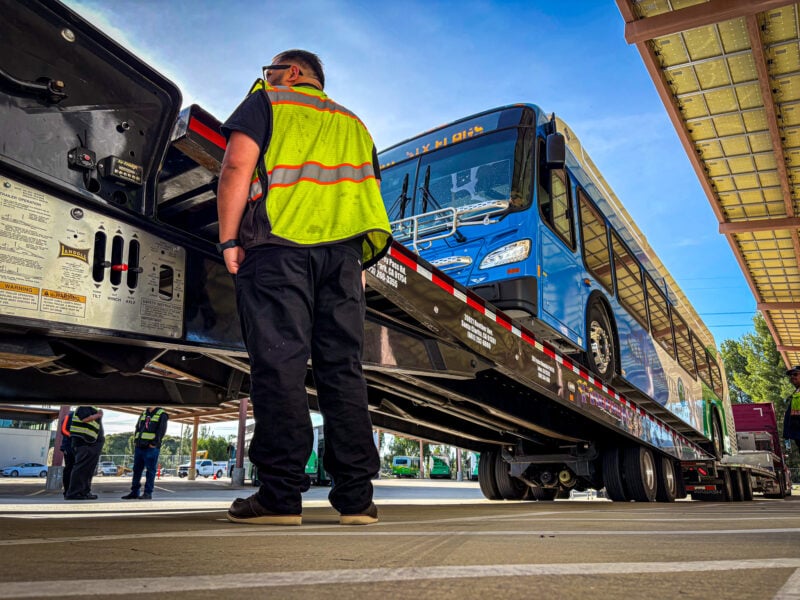 Santa Clarita's fuel cell bus fleet was delivered in March
New Flyer's bus is powered by Ballard’s FCmove®-HD+ 100 kW fuel cell engine, which delivers proven performance,600.png?width=410&height=231&name=FCmove-HD+%20engine%20bay%20(1)600.png)
durability, and reliability. Its compact, easy-to-integrate design provides an efficient solution for public transit operations, while robust proton-exchange membrane (PEM) technology delivers the power, range, and efficiency required for the operator's service routes. The fuel cell’s proven stack lifetime further ensures dependable operation throughout the vehicle’s service life.
Santa Clarita currently operates a fleet of 56 transit buses, with the newly delivered hydrogen buses representing the first phase of a broader fleet modernization initiative. The operator follows a structured replacement schedule in which approximately one-twelfth of the fleet is renewed each year as buses reach the end of their 12-year service life. The fleet was initially ordered in 2024 and the buses are manufactured at New Flyer's facility in Alabama - underscoring the highly specialized nature of fuel cell bus production and the growing domestic supply chain supporting zero-emission transit in North America.
“We looked at how far a bus typically travels in a day, we looked at the length of our routes and how many miles our buses operate. We used that data as our baseline. We’re not taking any vehicles out of service early. As a bus reaches its retirement age, we are in the process of replacing them with a newer, zero-emission vehicle like the hydrogen fuel cell. These are the first vehicles that have arrived and that will be introduced into our fleet. This will give us an opportunity to learn the technology, see how they operate, and make tweaks as needed as we continue placing orders for buses.”
Adrian Aguilar Transit Manager, City of Santa Clarita Transit

[Source: Santa Clarita Valley Signal]
Santa Clarita is already preparing for the next phase of deployment. The City Council recently approved the purchase of three additional hydrogen fuel cell buses, expected to arrive within the next 18 months as the city continues scaling its zero-emission fleet strategy.
As transit agencies across North America accelerate their transition toward sustainable mobility, Santa Clarita’s latest deployment demonstrates how hydrogen fuel cell technology is moving from pilot projects into long-term fleet planning — helping cities reduce emissions while maintaining the operational reliability passengers depend on every day.
California’s rebranded VVTA debuts Ballard-powered fuel cell buses and supporting infrastructure
The two latest major fuel cell electric bus deployments powered by Ballard reinforce the country’s leadership in hydrogen mobility
The U.S. DoT's Federal Transit Administration is offering $1.2bn in funding for its LowNo program – assisting state and local governments to...