#PoweredByBallard
Scaling up fuel cell bus deployments in Poland with NesoBus
The fleets integrate Ballard's FCmove®-HD fuel cell engine and will be in operational service during the first half of 2026

Fuel cell bus deployments increase in Europe as new fleets enter regular service in Metz, Béziers, and Modena


New hydrogen bus deployments in Modena, Italy, and Béziers and Metz, France are progressing through new fleet introductions, passenger service launches, and supporting infrastructure investment. Powered by Ballard, the three projects demonstrate how European transit operators are pairing fuel cell bus deployments with the refueling infrastructure and service planning needed to deliver clean and reliable operations.
Ballard’s collaboration with Solaris supports both the manufacturer’s Urbino 12 and Urbino 18 articulated hydrogen bus models, which integrate the FCmove®-HD 70kW fuel cell engine and the FCmove®-HD+ 100kW zero-emission modules respectively.
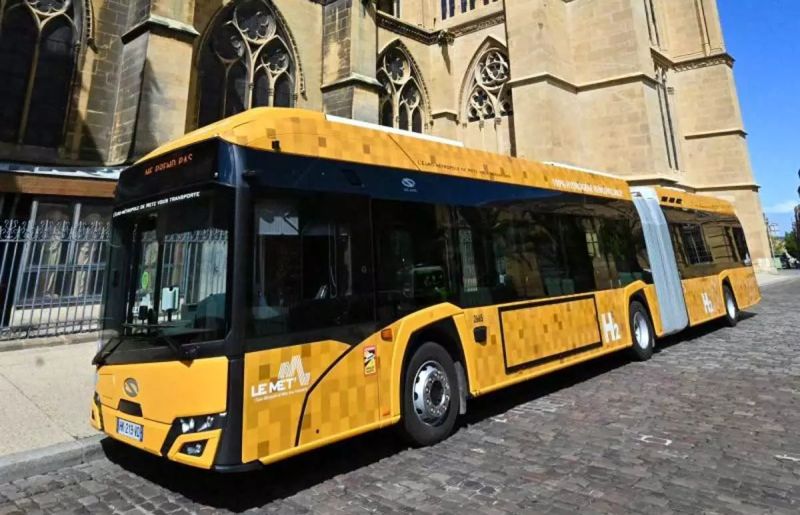
In France’s Grand Est region, Metz has already begun its transition to hydrogen-powered passenger services. The first three Solaris buses entered operation in August serving two routes on the LE MET’ network, with operations managed through the Eurométropole de Metz–Keolis partnership.
The fleet forms part of an initial 20-bus rollout, expected to be fully operational by November, with a further 14 articulated Solaris buses planned to enter regular service by September 2027, bringing the overall deployment to 34 zero-emission units.
The longer-term project also includes local renewable hydrogen production through H2 Metz, alongside dedicated depot infrastructure.
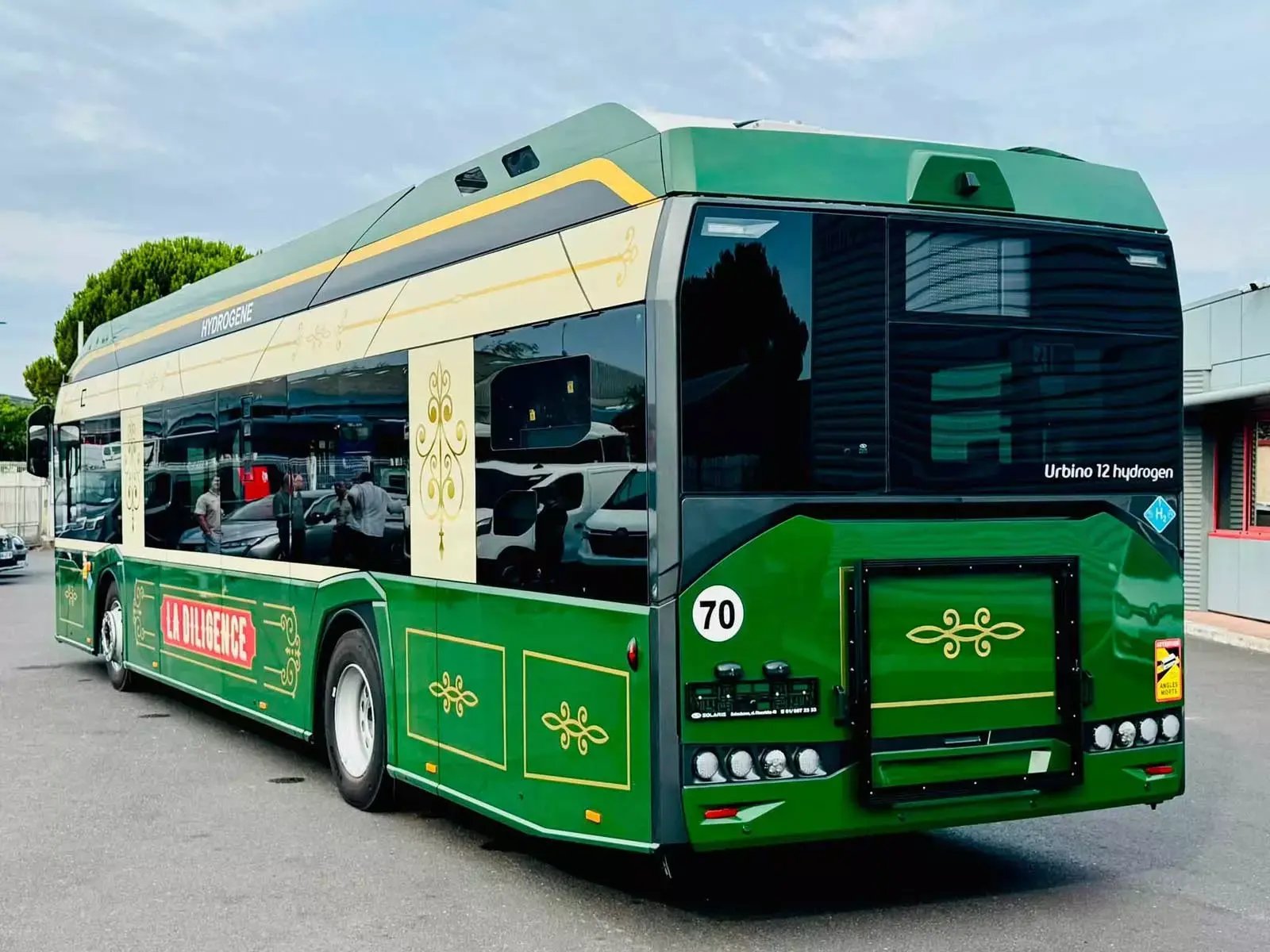
French public transit agency RATP Dev Béziers Méditerranée has confirmed a 13-unit hydrogen-powered bus fleet to service the local beeMob network and consisting of Solaris Urbino 12 models and integrating Ballard's FCmove®-HD 70kW fuel cell engine.
The vehicles will be supplied through Qair’s hydrogen station in the Méridienne area. Inaugurated in April, the facility can dispense up to 600kg of hydrogen daily and is designed to serve fuel cell buses as well as other zero-emission transport applications
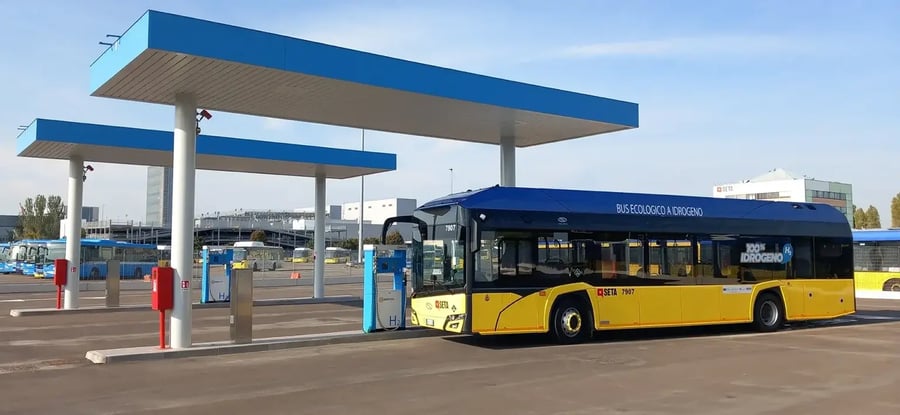
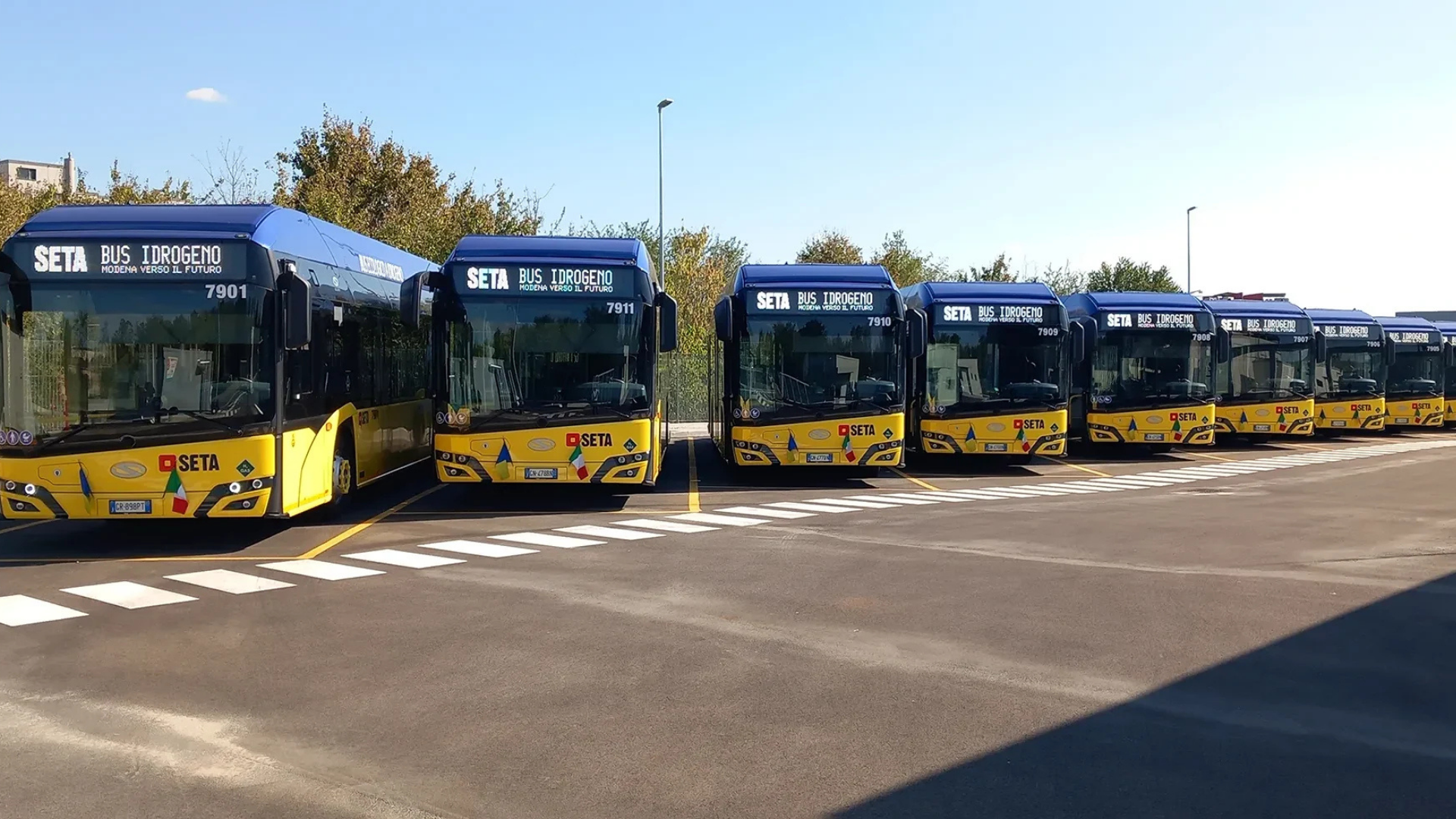
In September, Italian transit operator SETA introduced a fleet of 12 fuel cell buses in Modena, becoming the latest opertor in the country to commission Solaris’ Urbino 12 zero-emission model for regular service.
Joining other Italian cities, including Bologna, Venice, and Bolzano, this latest deployment will be supported by a new hydrogen storage and refueling facility at SETA’s Strada Sant’Anna depot, which incorporates two high-flow dispensers.
“SETA is proud to be among the first companies in Italy to introduce hydrogen as an energy carrier for public transport. This represents a further step in the technological and environmental renewal of our fleet, and will enable us to further increase the sustainability of the service provided. It is a demanding challenge, but we have undertaken it in the belief that it is an important technological innovation that can make the service we offer our users increasingly efficient, attractive and environmentally sustainable.”
[Source: Sustainable Bus]

Elisa Valeriani
President, SETA
Across the three European cities, the initiatives encompass nearly 60 fuel cell buses, including planned follow-on deliveries. Their stages of deployment may differ, but the common approach is clear – bringing vehicles, fuel supply, and the necessary infrastructure together is critical for the successful roll our of reliable zero-emission public transport services.
The fleets integrate Ballard's FCmove®-HD fuel cell engine and will be in operational service during the first half of 2026
Wrightbus has secured a new order in Germany for its zero-emission Kite Hydroliner - powered by Ballard Power Systems' FCmove® fuel cell engine.
New Flyer Xcelsior CHARGE FC™ buses integrate FCmove®-HD+ module and bring long-range, fast-refueling, zero-emission performance to LA County